General Overview of Plant Environments

Plant-Related Context
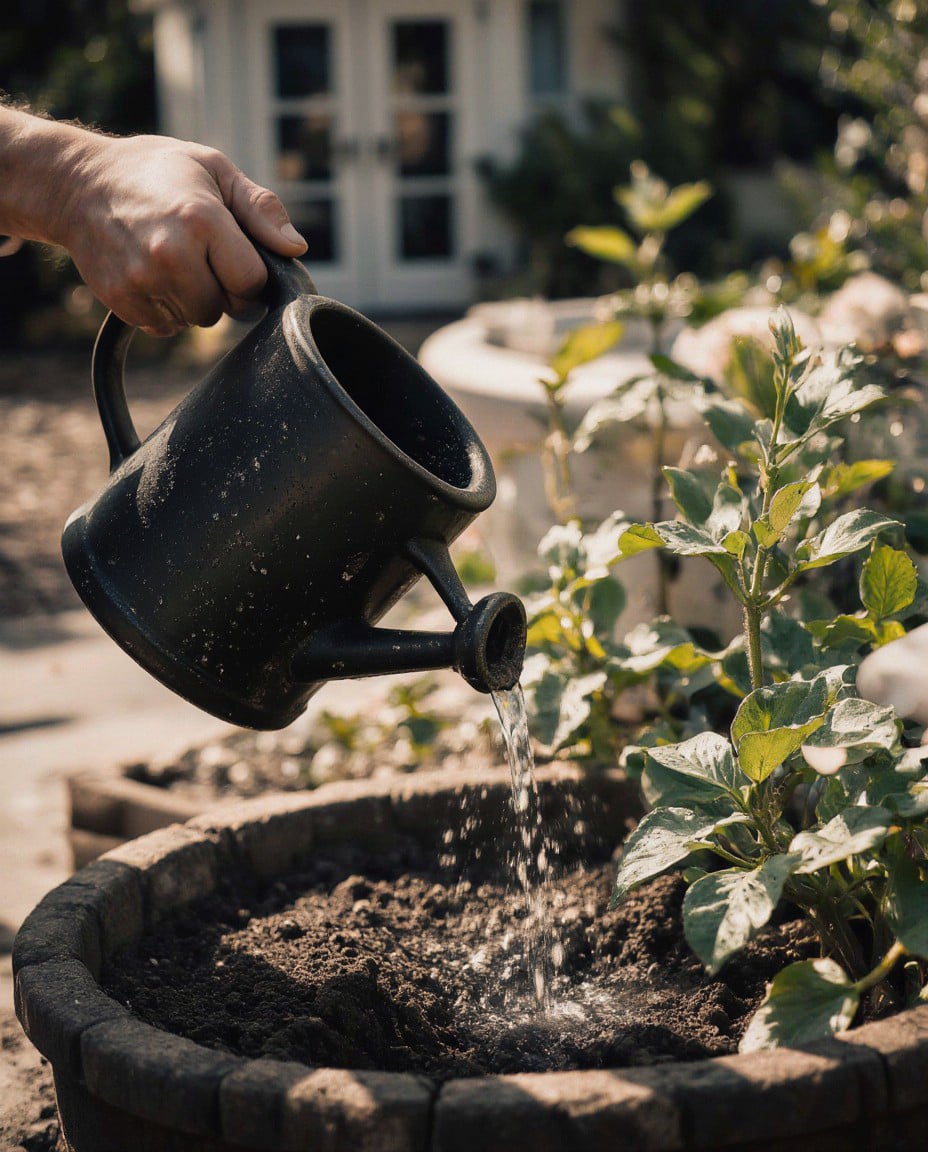
Plant-related context includes general descriptions of how plants are observed within natural and maintained environments. These environments include outdoor spaces such as gardens and open areas, as well as indoor settings where plants are placed within structured layouts. The information focuses on how plants are positioned, how they appear within different surroundings, and how their visible characteristics are described in relation to environmental conditions.

Additional context includes the way plant elements are distributed within space, including grouping patterns, spacing, and alignment with surrounding surfaces. These descriptions reflect commonly observed arrangements and provide a neutral framework for understanding how plant environments are generally structured in informational materials.

These descriptions also include how plant environments are visually defined through boundaries, surfaces, and surrounding elements. This may involve the presence of natural ground areas, enclosed sections, or interior placements where plants are arranged within a structured setting. The focus remains on observable characteristics and spatial relationships, maintaining a consistent informational approach without interpretation or evaluation.

Plant Structures and Forms

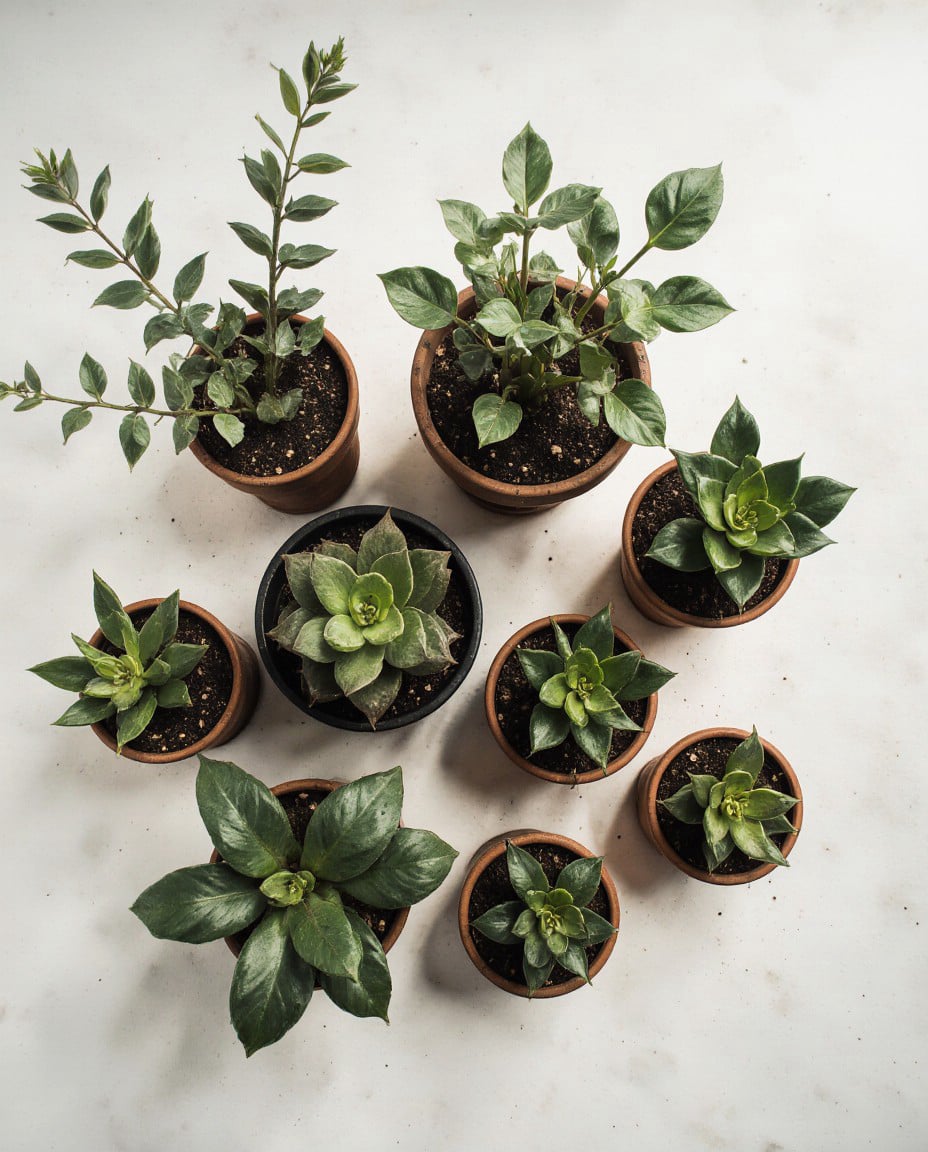
Plant structures are described through visible components such as stems, leaves, and external form. These elements are used to outline how plants are identified and differentiated based on appearance. Descriptions include general references to shape, size, and arrangement, focusing on how plant forms are observed rather than interpreted.

Further descriptions include variation in structural patterns such as branching, layering, and surface coverage. These characteristics are presented as observable features that contribute to how plants are categorized and described within general plant-related contexts.

Environmental and Spatial Context

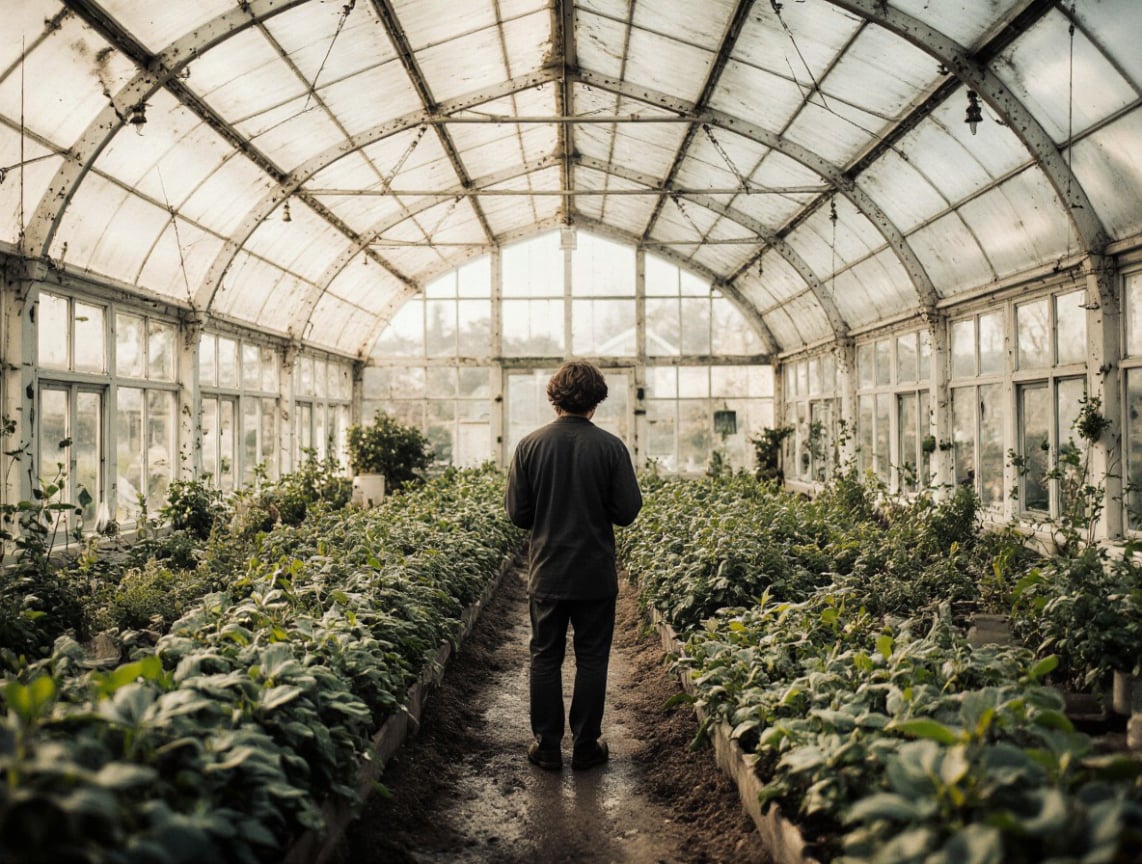
Environmental context includes descriptions of how plants are positioned within indoor and outdoor settings. This includes placement relative to light sources, surfaces, and surrounding structures, as well as general spatial organization within a given environment. The focus remains on visible relationships between plant elements and their surroundings.

Additional descriptions include how plants are arranged within defined areas such as containers, ground sections, or structured layouts. These arrangements are presented as general patterns of placement and organization, reflecting commonly observed configurations without interpretative language.

Additional context includes how plant placement varies across different types of environments, such as enclosed interiors, open outdoor areas, and transitional spaces. These variations are described through observable differences in spacing, alignment, and proximity to surrounding elements. The focus remains on how plant arrangements are visually structured within each setting, using neutral terminology consistent with general informational descriptions.

General Gardening Context

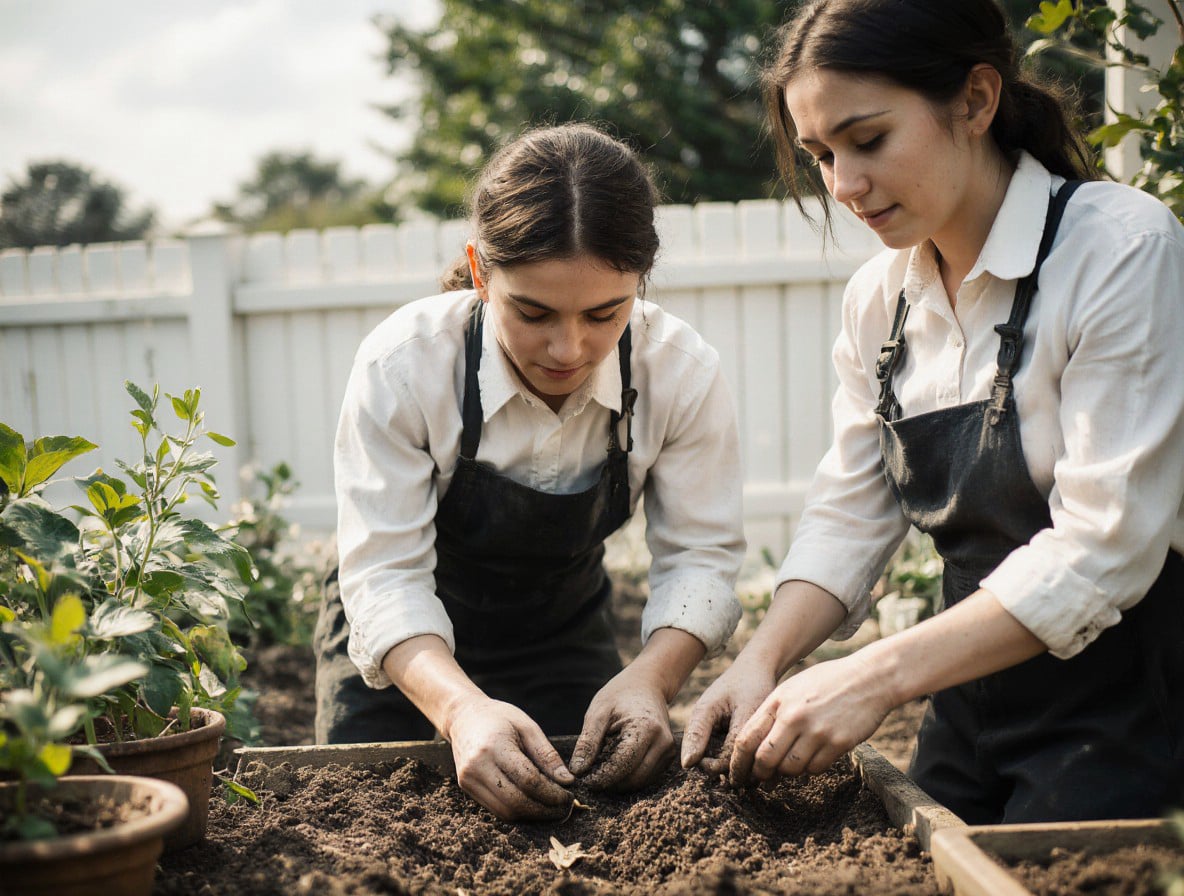
Gardening context is described through the organization of plants within defined spaces, including gardens, yards, and interior environments. These descriptions focus on how plants are grouped, how space is utilized, and how visible structure is maintained within a given layout. The information reflects general patterns of arrangement found in plant-related environments.

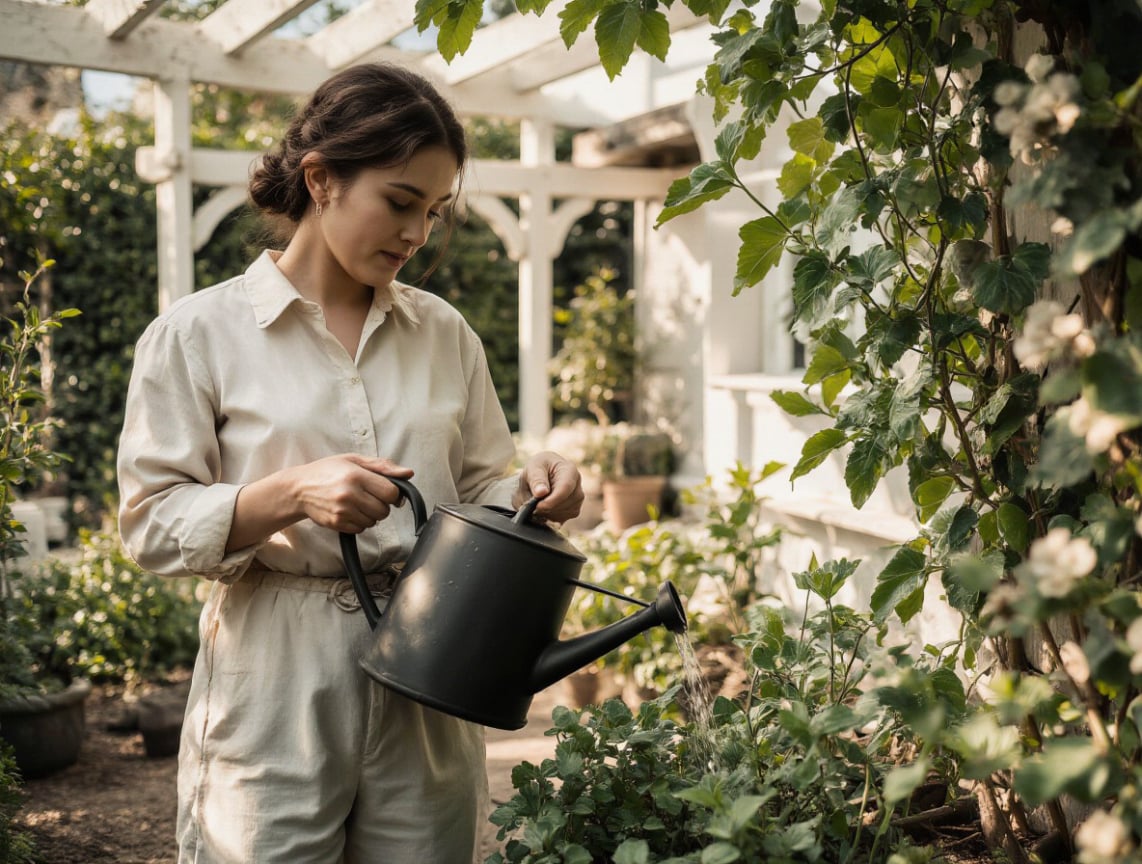
Further context includes how plants are integrated with surrounding elements such as pathways, boundaries, and built structures. These descriptions outline how plant presence is distributed within a space and how different elements are positioned relative to each other, maintaining a neutral and informational format.

Plant Surface and Texture

Plant surface characteristics are described through observable elements such as leaf texture, stem appearance, and visible structural detail. These features include variations in smoothness, density, layering, and edge definition, which are used to distinguish different plant forms within general contexts. Descriptions focus on how surfaces reflect light, how textures appear at different distances, and how these elements contribute to the overall visual representation of plants in both indoor and outdoor environments.

Spatial Distribution of Plant Elements

Spatial distribution refers to how plants are positioned within a given area, including alignment, spacing, and grouping patterns. These arrangements are described through visible organization within containers, ground sections, or structured layouts, with attention to how individual plant elements relate to each other and to surrounding surfaces. The information reflects commonly observed configurations in plant-related environments and is presented using neutral terminology focused on observable spatial relationships.

🌱The website provides structured informational content about gardening, plant systems, and green lifestyle topics within a general context. Materials are presented in a neutral format for a broad audience in the US.

🧩The content is provided for informational purposes only and does not constitute a recommendation, guidance, or professional advice.

jup-dex.cc logo 1 jup-dex.cc logo 2
Cookie icon

This website uses only technically necessary cookies required to provide basic functionality and ensure proper page display.
These cookies are not used for analytics, tracking, profiling, or advertising purposes.
This notice is provided for informational purposes only.

For more information, please review our
Cookie Policy and Privacy Policy.