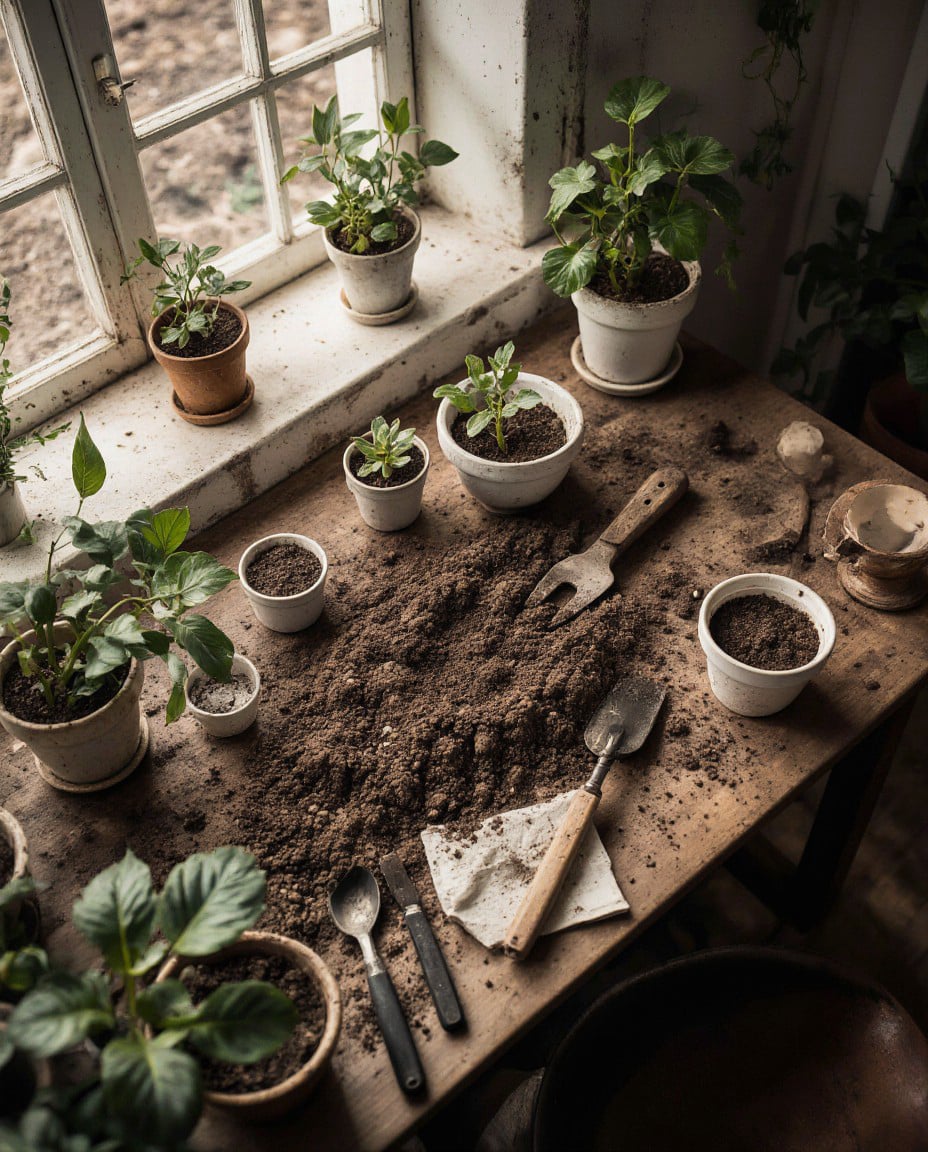
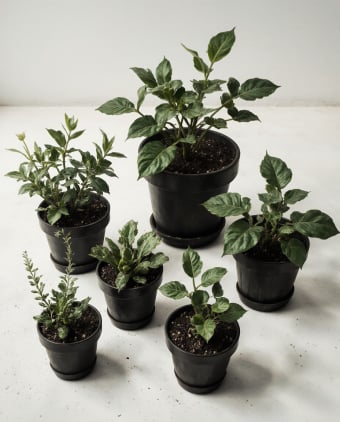
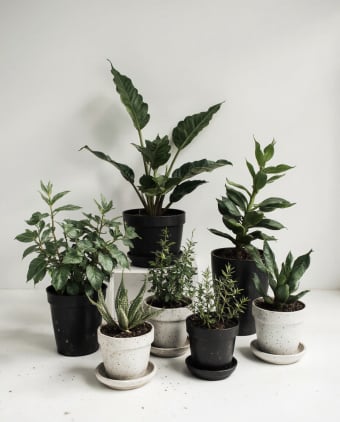
Plant systems are described through observable structures such as roots, stems, leaves, and reproductive elements. These components are used to identify how plants are formed and how they are commonly described within general plant-related contexts. Each structure is defined by visible characteristics and position within the plant. Descriptions include general references to size, arrangement, and external appearance. These elements provide a consistent framework for recognizing plant parts without interpretation or directional language. Terminology reflects standard usage found in informational materials.
Plant structures are also described through their arrangement and distribution. This includes how leaves are positioned along stems and how roots extend within soil environments. These descriptions focus on visible patterns and spatial organization. Additional references include differences in form, such as branching structures or compact growth shapes. These variations are presented through neutral descriptions of observable characteristics.
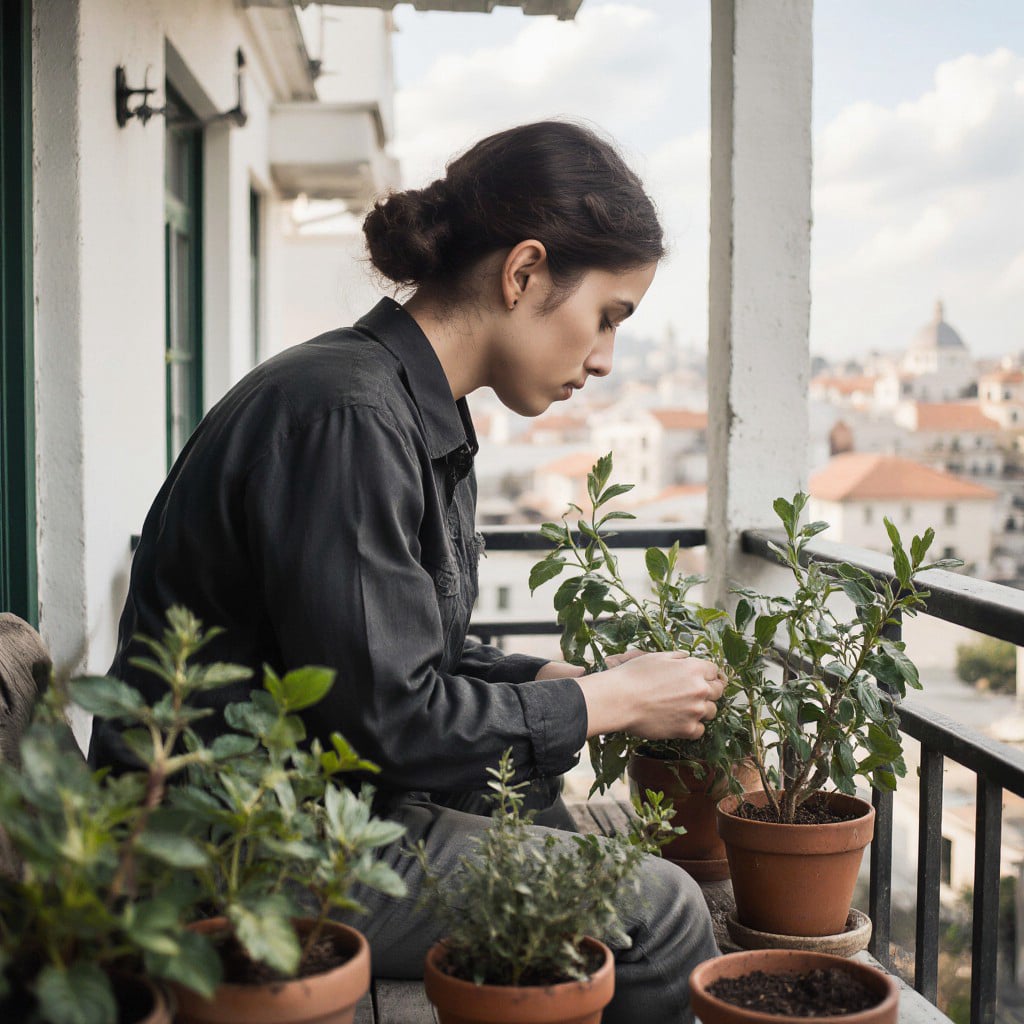
Environmental conditions are presented as general factors that describe the surroundings in which plants are observed. These include light exposure, moisture presence, and temperature ranges, each outlined through commonly used descriptive categories. The information is structured to reflect how environments are referenced in general plant-related contexts. Descriptions are based on observable conditions such as visible light levels, soil moisture, and seasonal variation. These elements provide a neutral framework for understanding environmental differences without implying specific actions or outcomes.
Environmental descriptions may also include distinctions related to air circulation and surrounding spatial conditions. These factors are outlined through general references to open or enclosed environments, as well as differences in airflow and exposure. Such elements are presented as part of broader environmental context without detailed measurement or specification. Additional context includes the interaction between environmental elements and visible plant placement. This may involve how plants are positioned relative to light sources, shaded areas, or surfaces that retain or release moisture. These descriptions focus on observable relationships within the environment and maintain a consistent informational structure.
Seasonal characteristics describe visible changes in plant appearance across different periods of the year. These changes include variations in leaf color, surface texture, density, and structural visibility. In some periods, plants display more defined forms with expanded foliage, while in others, external structures appear reduced or less pronounced. These differences are described through observable features without interpretation or evaluation.
The descriptions also include general patterns of how plant structures and surfaces appear during seasonal transitions. This may involve changes in leaf distribution, visibility of stems, and overall plant form within a given environment. Seasonal context may also include variation in plant placement or density within indoor and outdoor spaces, presented as general observational characteristics in a neutral informational format.
Gardening context is described through the arrangement of plants within defined spaces such as gardens, indoor environments, and structured outdoor areas. These arrangements are outlined through observable placement, grouping, and spatial distribution of plants relative to surfaces, containers, and surrounding elements. Descriptions include how plants are positioned in relation to each other, the use of open or segmented areas, and the visible organization of plant groupings within a given environment. The focus remains on general structural layout and how plant presence is distributed across space.
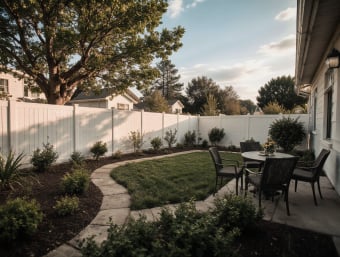
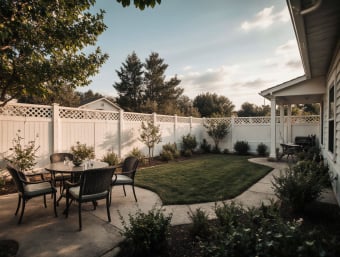
Additional context includes the relationship between plant placement and surrounding physical elements such as pathways, surfaces, boundaries, and built structures. This may involve how plants are arranged along edges, within containers, or across defined sections of a space. These descriptions reflect common spatial patterns observed in plant-related environments and are presented through neutral terminology, maintaining consistency with general informational materials without interpretative or directional language.
Plant placement is described through the positioning of plants in relation to surrounding elements such as surfaces, containers, and structural boundaries. These descriptions include how plants are distributed across indoor and outdoor environments, how they are arranged within defined areas, and how visible spacing is maintained between individual plant groupings. The focus remains on observable placement patterns, including alignment, proximity, and spatial relationships between plant elements and their immediate surroundings.
Additional descriptions include how plants are visually integrated into environments that contain built or natural features, such as walls, pathways, or open ground surfaces. This may involve placement within containers, along edges, or within designated sections of a space, with attention to how plant forms and structures interact with surrounding materials. These elements are presented as general observations of arrangement and integration, using neutral terminology consistent with informational plant-related content.
Additional context includes variation in plant placement based on differences in space size, surface type, and visible layout structure. This may involve grouping plants in compact areas, distributing them across larger open spaces, or aligning them along defined boundaries. These placement patterns are described through observable characteristics and reflect common configurations found in plant-related environments without interpretative or directional language.
🌱The website provides structured informational content about gardening, plant systems, and green lifestyle topics within a general context. Materials are presented in a neutral format for a broad audience in the US.
🧩The content is provided for informational purposes only and does not constitute a recommendation, guidance, or professional advice.
This website uses only technically necessary cookies required to provide basic functionality and ensure proper page display.
These cookies are not used for analytics, tracking, profiling, or advertising purposes.
This notice is provided for informational purposes only.