Jupiter Garden presents structured information related to plant systems, gardening environments, and terminology used in plant-related contexts. The content reflects general definitions and classifications that describe how plants are identified, grouped, and observed in both natural and maintained environments. Information is organized to align with commonly used descriptive approaches found in general horticultural materials within the United States.
Plant classifications are based on observable characteristics, lifecycle patterns, and structural features. These groupings are used to describe how different plants are identified and categorized within general gardening and environmental contexts. The classification framework reflects commonly used terminology found in informational plant references across the United States.
These categories focus on visible properties such as growth duration, structural composition, and recurring patterns. The descriptions are presented in a neutral format to outline general differences between plant types without interpretation or evaluation.
Additional classification context includes grouping plants based on physical form and external appearance. These groupings describe differences in height, branching patterns, and leaf distribution. Such descriptions provide a broader understanding of how plant types are distinguished within general observational frameworks.
Plant classification may also reference visible adaptation patterns related to environmental placement, such as positioning in open areas or enclosed spaces. These distinctions are described through general characteristics and observable traits, maintaining a consistent and neutral informational structure.
Annual plants are described as completing a full lifecycle within a single growing season. This includes stages such as germination, development, and reproduction within a defined period.
Perennial plants are associated with recurring growth patterns across multiple seasons. Observable characteristics include repeated cycles of development and periods of reduced activity.
Woody plants and shrubs are identified by persistent stems and stable structural features. These plants maintain visible form over extended periods and are commonly described through their long-term structural presence.
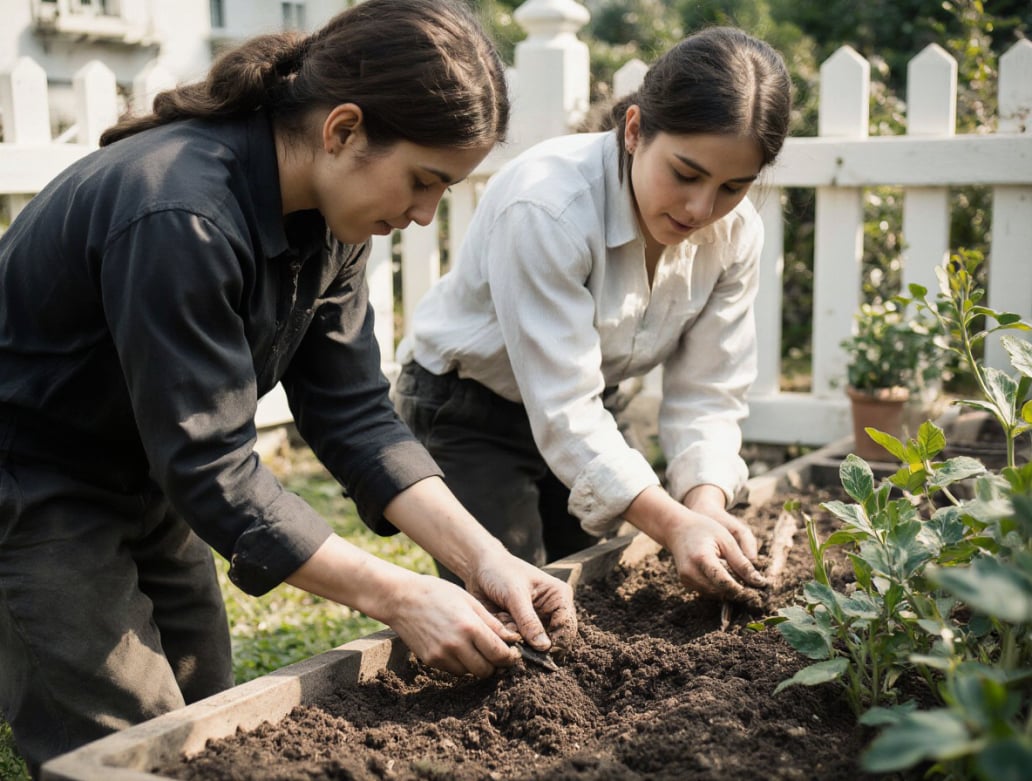
Soil is described through general characteristics such as texture, structure, and composition. Common soil categories include sandy, clay, and loamy soils, each defined by differences in particle size, density, and visible surface properties. These characteristics are used to describe how soil is commonly categorized within plant-related discussions.
Additional descriptions include observable properties such as compactness, granularity, and the presence of moisture within the soil. These elements provide a consistent reference for identifying soil types and understanding their general characteristics. The terminology reflects standard usage found in informational materials and is presented without prescriptive interpretation.
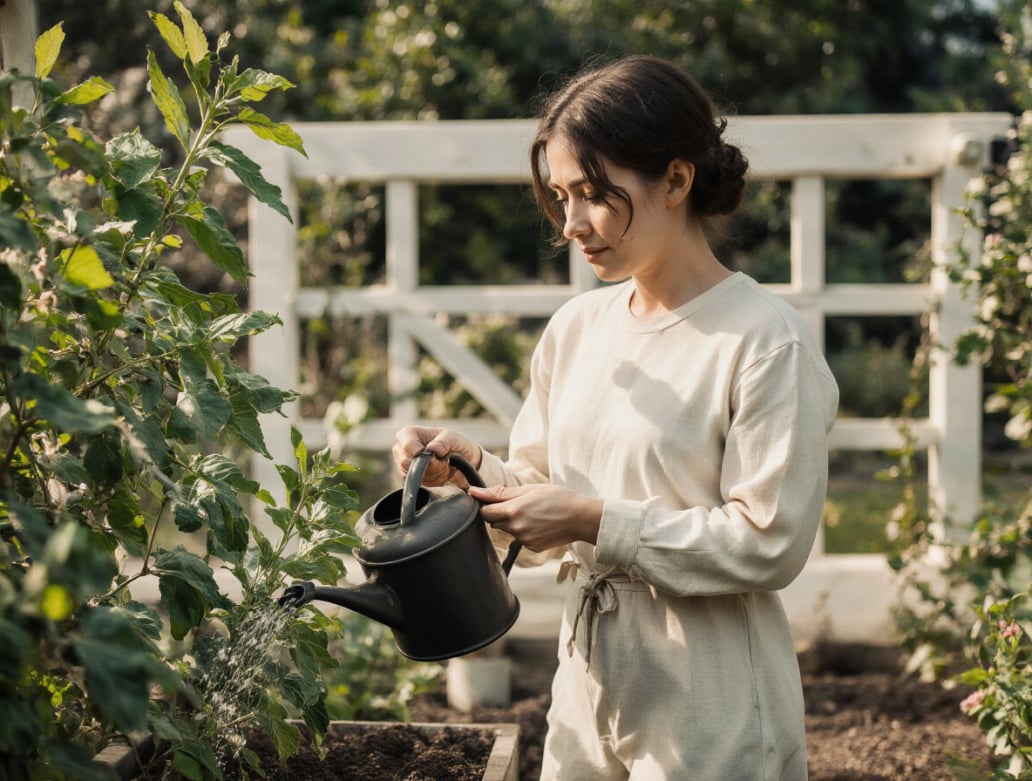
Light and water are presented as environmental elements commonly referenced in plant-related descriptions. These factors are outlined using general observational categories that reflect how plants are positioned and described within different environments. The information focuses on classification rather than instruction.
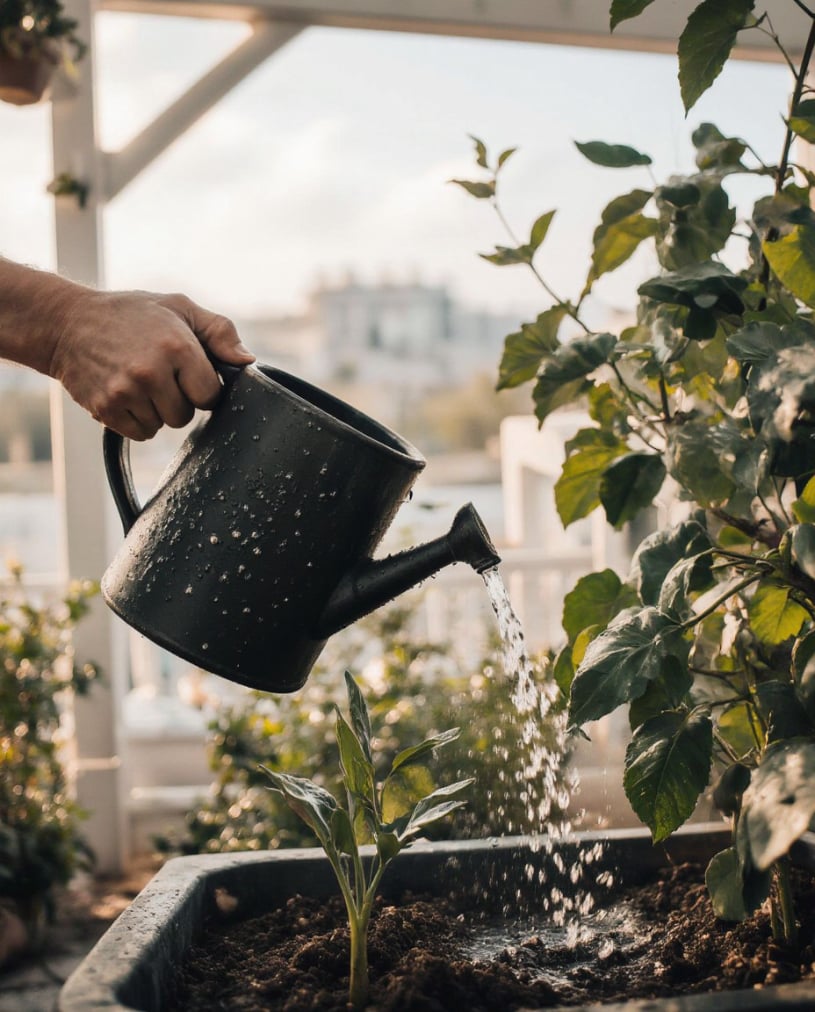
Light exposure includes categories such as full sun, partial shade, and shaded conditions, each defined by the relative presence of natural light throughout the day. Water conditions are described through observable soil moisture levels and general frequency patterns. These descriptions provide a neutral context for understanding environmental variation without implying specific actions or outcomes.
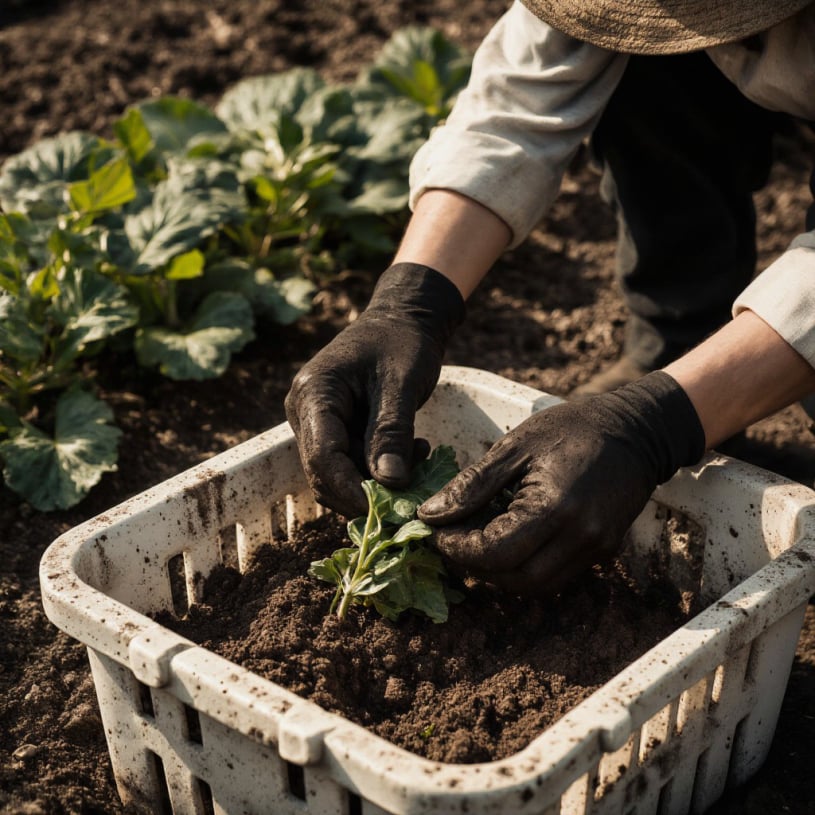
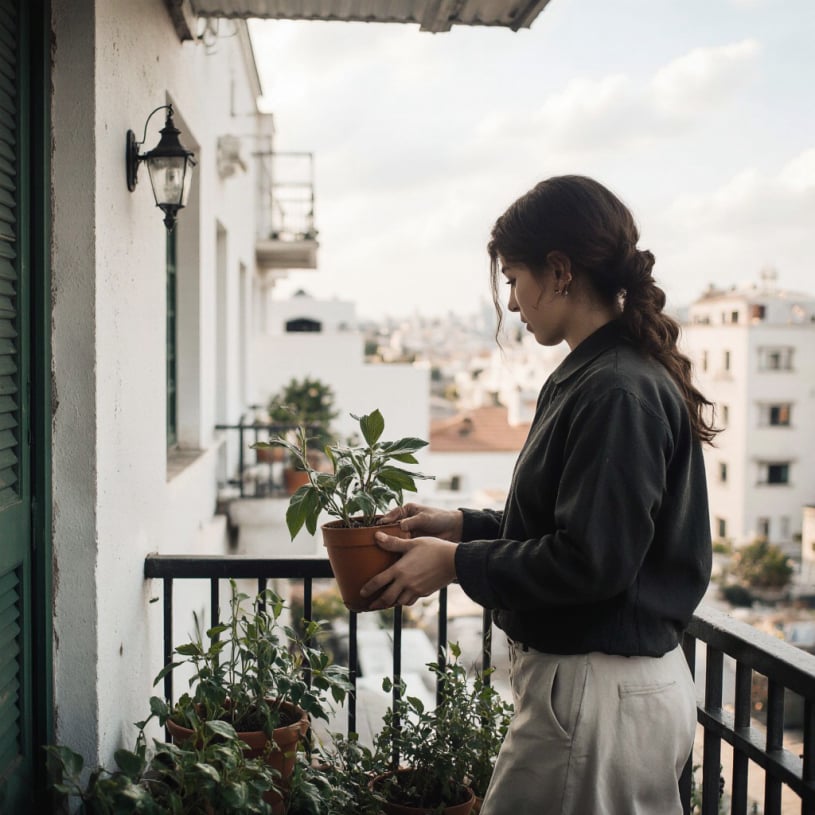
Indoor environments are described through the placement of plants in containers, positioning relative to windows or light sources, and integration into interior layouts. These arrangements reflect common configurations found in residential spaces.
Outdoor areas include open spaces where plants are organized within gardens or landscaped sections. Descriptions focus on spatial layout, plant groupings, and visible environmental structure.
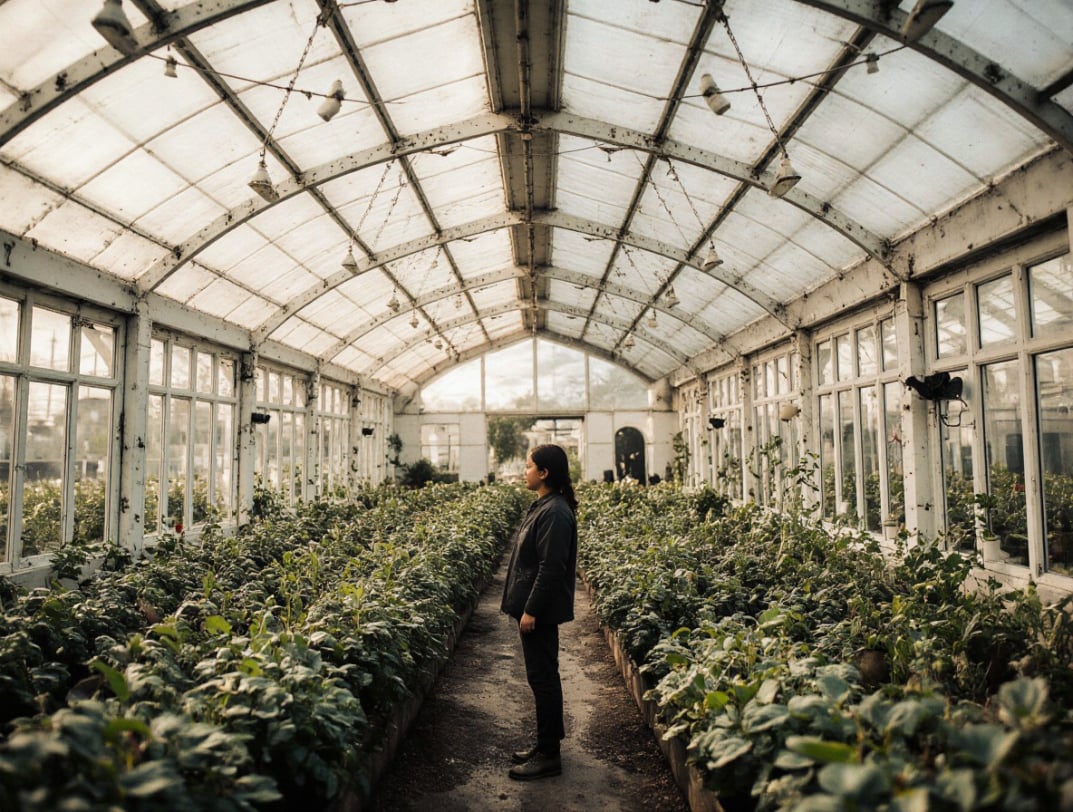
Shared environments include public or communal areas where plants are arranged as part of maintained surroundings. These spaces are described through visible organization and general structural features.
Additional classification descriptions include plant grouping based on external structure and visible form. These distinctions refer to characteristics such as plant height, branching patterns, and the arrangement of leaves. Such elements are used to outline general differences between plant types within observational contexts.
Classification may also include references to how plants are positioned within different environments. This includes distinctions between plants found in open areas, enclosed spaces, or structured garden layouts. These descriptions are presented through observable traits without interpretative or directional language.
This section provides general contact details associated with the website. The information is presented for communication related to the content, including questions about definitions, terminology, and contextual descriptions found within the materials. The contact details are listed in a structured format for clarity and consistent access.
1300 Woodward Ave, Muscle Shoals, AL 35661, United States
🌱The website provides structured informational content about gardening, plant systems, and green lifestyle topics within a general context. Materials are presented in a neutral format for a broad audience in the US.
🧩The content is provided for informational purposes only and does not constitute a recommendation, guidance, or professional advice.
This website uses only technically necessary cookies required to provide basic functionality and ensure proper page display.
These cookies are not used for analytics, tracking, profiling, or advertising purposes.
This notice is provided for informational purposes only.